

Choosing the right shoes is essential for maintaining optimal foot health. The shoes we wear have a significant impact on our comfort, posture, and overall well-being. In this blog post, we will provide you with practical tips on how to choose the right shoes for optimal foot health. By following these guidelines, you can ensure that your feet are supported, comfortable, and protected.
- Consider Foot Type and Size:
Understanding your foot type is crucial in selecting appropriate shoes. Determine if you have high arches, low arches, or a neutral arch. Additionally, measure your feet regularly, as shoe sizes can change over time. Choose shoes that accommodate your foot shape and provide ample room for your toes to move freely. Here’s a guide to measuring your foot size at home. (source) - Look for Proper Arch Support:
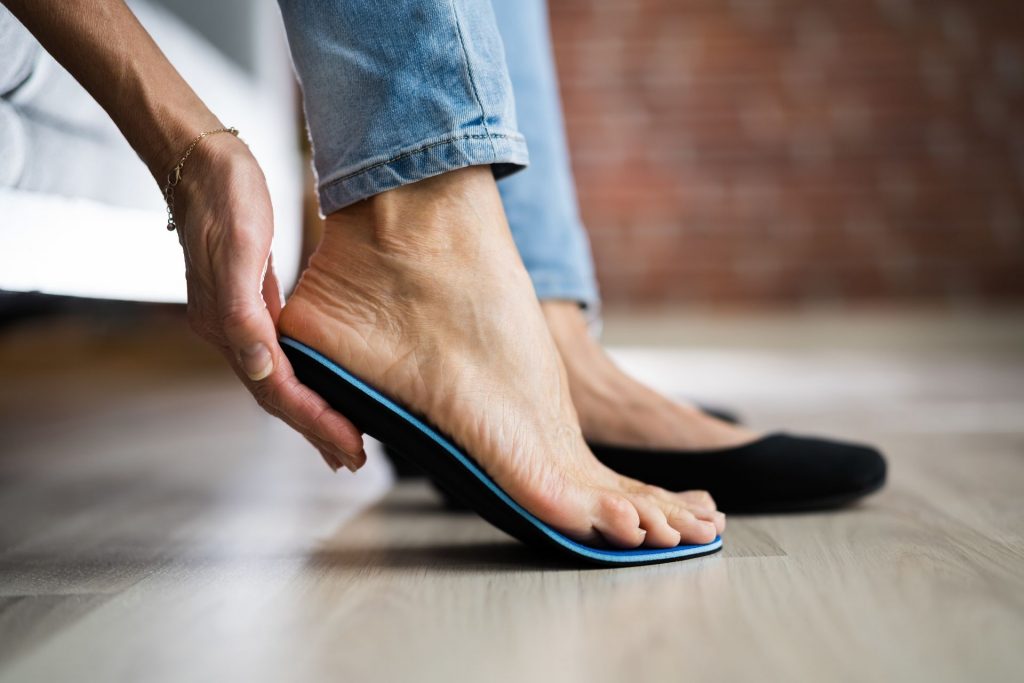
Proper arch support is essential for maintaining foot alignment and preventing issues like plantar fasciitis or flat feet. Look for shoes with adequate arch support that matches your foot type. This support should be firm but not uncomfortable or restrictive. I found some fantastic products from Caresole that I couldn’t wait to share with you!
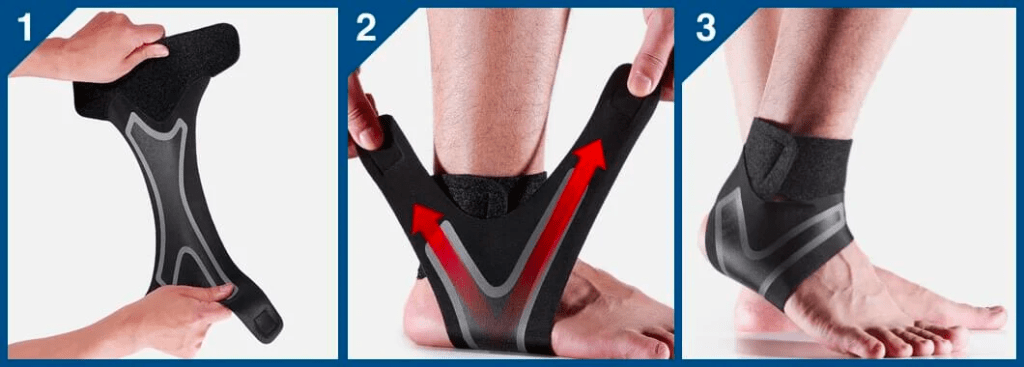
- Opt for Cushioning and Shock Absorption: Shoes with good cushioning and shock absorption help absorb the impact of walking or running and reduce stress on your feet and joints. Look for shoes with cushioned midsoles and supportive insoles to provide optimal comfort and protect against injuries.
- Prioritize Breathable Materials:
Choose shoes made of breathable materials, such as mesh or leather, to allow air circulation and prevent excessive sweating. This helps reduce the risk of fungal infections and keeps your feet dry and comfortable throughout the day. - Ensure a Proper Fit:
Always try shoes on and walk around in them before making a purchase. The shoes should fit comfortably, with no tight or loose areas. Ensure that there is ample space in the toe box to wiggle your toes and that your heel is snug but not slipping out. - Test Flexibility and Stability:
Check the flexibility and stability of the shoes by bending them at the toe area. They should offer moderate flexibility without being too stiff or too flimsy. Additionally, ensure that the shoes provide stability and support around the heel to prevent excessive foot motion and potential injuries. - Consider the Activity and Environment:
Different activities and environments require specific shoe features. For example, running shoes should provide extra cushioning and shock absorption, while hiking shoes should have sturdy soles and good traction. Consider the specific needs of your activities and choose shoes accordingly. - Replace Worn-Out Shoes:
Regularly inspect your shoes for signs of wear and tear. Once the soles are worn out or the shoes no longer provide adequate support, it’s time to replace them. Continuing to wear worn-out shoes can lead to foot pain and discomfort.
Choosing the right shoes is vital for optimal foot health. By considering factors such as foot type, proper arch support, cushioning, breathability, fit, flexibility, and activity-specific features, you can ensure that your shoes provide the necessary support and comfort for your feet. Remember, investing in the right shoes now can prevent future foot problems and promote overall foot health.

 FootCARE AdVocate
Leave a comment