
Popular talk show host Wendy Williams recently revealed that she has been diagnosed with lymphedema, a chronic condition that causes swelling in the arms or legs. Williams shared her struggles with the disorder, shedding light on this often misunderstood condition.(source)
Lymphedema is a condition that occurs when the lymphatic system is unable to properly drain fluid, leading to swelling in the affected body part. It can be caused by a variety of factors, including surgery, radiation therapy, infection, or injury. While there is no cure for lymphedema, there are treatments available to help manage the symptoms and improve quality of life.
Lymphedema treatment for the feet typically involves a combination of physical therapy aimed at reducing swelling and promoting circulation in the affected areas. It is crucial to follow through with these treatments to maintain their effectiveness post-therapy. Here are some treatments commonly used for managing lymphedema:
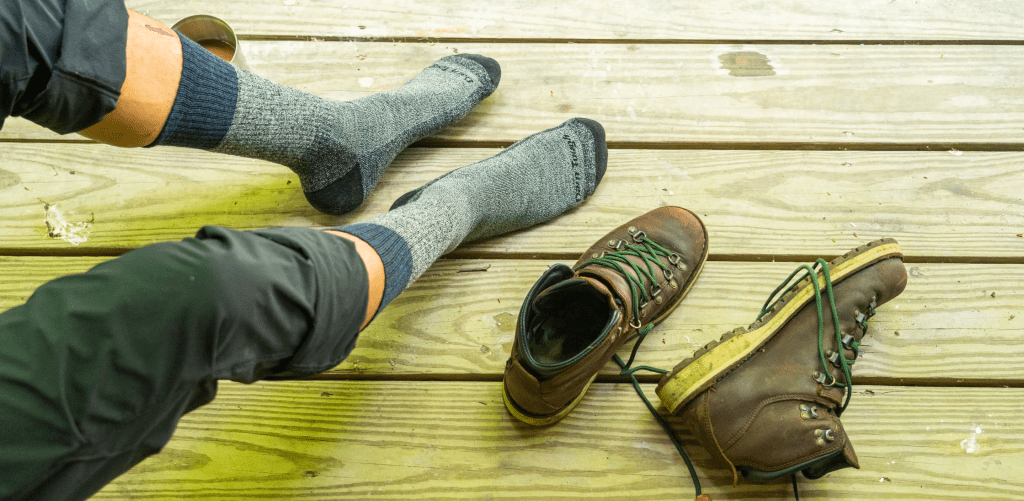
1. Compression Socks: Compression socks are designed to exert pressure on the feet and lower limbs, aiding in the movement of excess fluid back into circulation. This helps alleviate swelling and reduces the risk of lymphedema-related complications.
2. Manual Lymphatic Drainage: This gentle form of massage, performed by physical therapists specializing in lymphedema, helps stimulate circulation in the leg or arm. Patients may also learn self-massage techniques to continue the benefits at home.
3. Multilayer Compression Bandaging: Following manual lymphatic drainage, multilayer compression bandages are applied to the swollen areas. These bandages exert varying levels of pressure, effectively moving fluid back into circulation and reducing swelling.
4. Compression Devices: Pneumatic compression pumps are utilized to maintain fluid movement through the lymph vessels and veins. By applying intermittent pressure via a sleeve connected to the pump, these devices prevent fluid buildup and minimize lymphedema complications.
5. Elevation: Keeping the affected area elevated whenever possible is essential in managing lymphedema symptoms. Elevating the leg helps reduce swelling and encourages proper fluid drainage.
6. Exercise: Engaging in physical exercise is key to promoting lymphatic drainage. Regular movement and targeted exercises can help improve circulation and reduce swelling in the affected areas.
By incorporating these foot-specific treatments into your lymphedema care routine, you can effectively manage symptoms, reduce swelling, and improve overall foot health.
Williams shared that she first noticed swelling in her legs years ago, but initially dismissed it as a normal part of aging. However, the swelling continued to worsen, prompting her to seek medical attention. After undergoing various tests and consultations with healthcare professionals, Williams was diagnosed with lymphedema. She opened up about the physical and emotional toll that the condition has taken on her, expressing her frustration with the lack of awareness and understanding surrounding lymphedema.
Despite the challenges she faces, Williams remains determined to raise awareness about lymphedema and advocate for others who may be struggling with the condition. She emphasized the importance of early detection and proper management of lymphedema to prevent complications and improve overall well-being.
By sharing her own experience, Wendy Williams is helping to destigmatize lymphedema and spark conversations about this often overlooked condition. Her openness and honesty about her battle with lymphedema serve as a source of inspiration and empowerment for others facing similar challenges. Williams’ courage in speaking out about her struggles is not only raising awareness but also providing hope and support to those affected by lymphedema.
 FootCARE AdVocate
Leave a comment